Best Time to Start Board and Train: Puppy vs Adolescent vs Adult Dog
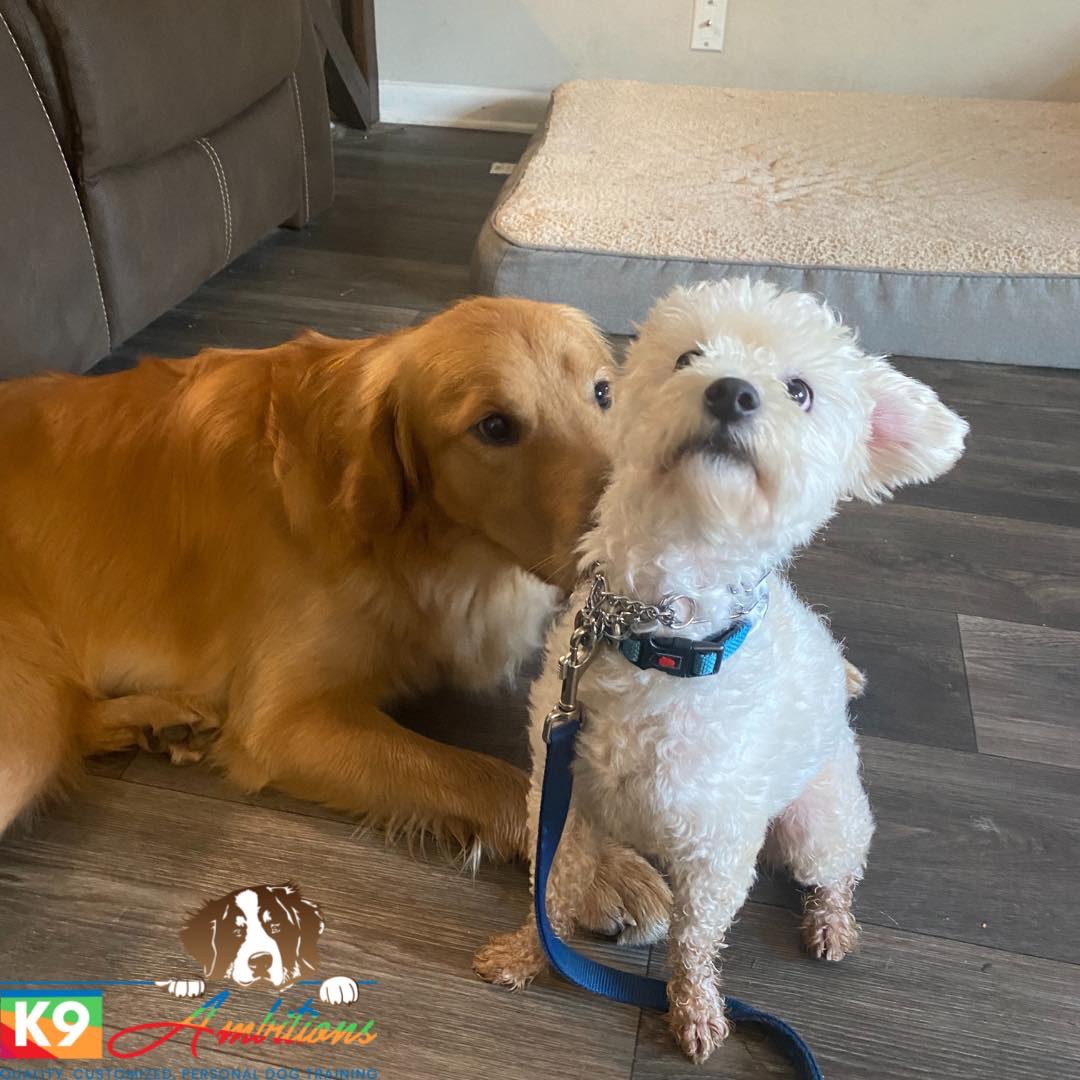
The question we hear constantly is "is my dog too young" or "is my dog too old" for board and train. People ask it like there is a clean cutoff — some age before which training is wasted and after which it is too late. Neither of those is real.
The more honest answer: age matters, but temperament and what you are trying to fix matter more. A calm, confident 18-month-old is sometimes a better board and train candidate than a reactive 8-month-old with zero foundation. A 6-year-old adult with manageable obedience gaps is sometimes better served by private lessons than an immersive stay.
Here is how we actually think through the age question — including what we recommend in each window and what we push back on.
Puppies (8 weeks – 6 months)
What a puppy actually needs
Puppies in this window are building their picture of what the world is. Every new person, surface, sound, and experience is being filed away. The socialization window for most dogs runs roughly to 14–16 weeks, and after that window closes, exposing a dog to new things becomes harder work — not impossible, but harder.
This is the reason we do not recommend putting a 10-week-old puppy through a full 5-week board and train. Not because the dog cannot learn. It can. But pulling a puppy out of its home environment during the peak socialization window, and limiting new exposures to one training facility, is the wrong trade-off. You spend five weeks getting clean sit and down behaviors at the cost of a dog that later needs desensitization work to handle normal life.
What actually works at this age
For most puppies, the 2-Week Board & Train ($1,000) hits the right balance. Two weeks of structured crate training, potty routine, leash mechanics, name response, and basic manners — then the dog comes home and you keep building. The puppy is not in limbo through the entire socialization window, but it does not come home with zero structure either.
Private lessons also work extremely well for motivated owners with young puppies. If you have 20–30 minutes a day and want to learn handling skills alongside the dog, the 3-Week or 5-Week Private Lessons package is worth considering. The dog stays home, the socialization window stays open, and you build the handling skills that will carry you through adolescence.
What we push back on
Two things we see too often with puppies: owners who want to wait until the dog is "older and ready," and owners who want to jump straight into a 5-week immersive program because the puppy is already driving them crazy.
Waiting until 12 or 18 months because "puppies should just be puppies" often means handing us a dog with six months of accidental bad habits baked in. Structure early is not harsh — it is kind. Puppies do not resent rules.
And the 5-week for a 12-week-old is almost always the wrong call. Save that investment for when the behavior complexity warrants it.
Adolescent Dogs (6 months – 18 months)
Why this is the most common window for board and train
Adolescent dogs are our most frequent board and train clients, and for good reason. This is the window where the wheels fall off. The puppy that used to sit for a treat stops responding to its name at the dog park. The leash manners you worked on for six months disappear overnight. The dog that used to settle in the evenings now paces, barks, chews the baseboards, and cannot focus for more than ten seconds.
This is neurological, not personal. Adolescent dogs are going through a hormonal phase that genuinely disrupts learned behaviors. You are not imagining it. It is also not permanent — but it requires consistent, clear structure during the chaos period, and most owners are not equipped to deliver that while also managing work, kids, and the rest of their lives.
What works at this age
The 3-Week Board & Train ($1,500) is our most popular program for a reason — it covers the full adolescent behavior stack. Pulling, jumping, recall failure, door bolting, barking, leash reactivity. Three weeks is enough time to build real behavior, not just surface compliance.
For dogs with more significant behavior modification needs — reactivity to other dogs or people, anxiety that escalates in stimulating environments, resource guarding — the 5-Week Board & Train ($2,250) is the right call. Five weeks adds the real-world proofing reps that make behavior reliable outside the training facility. It also includes lifetime trainer support and access to our alumni group classes, which matter a lot with adolescent dogs. One round of board and train does not close the file.
The Weekday Program is also a strong fit for adolescent dogs with owners who can carve out consistent weekend practice. The dog gets five days of immersive work per week, comes home Saturday and Sunday, and you reinforce the work during the weekend. For adolescents with family-attachment tendencies, this split can actually outperform full board and train.
What we push back on
Private lessons for serious adolescent behavior cases are a tough sell. Not because the dog cannot learn in that format, but because private lessons require the owner to do the daily reps — 20–30 minutes, every day, correctly. During the adolescent chaos window, those reps need to be tight. Loose mechanics reinforce the wrong things. Most owners who try private lessons on a reactive adolescent dog end up either inconsistent or frustrated within three weeks.
If you are honest with yourself about your available time and your handling skills, and the dog is jumping on guests and ignoring recall on a regular basis, lean toward board and train over private lessons.
Adult Dogs (18 months – 7 years)
Tailor the program to the problem
Adult dogs with solid basic obedience but a few specific gaps — leash manners on walks, jumping on guests, not holding a stay when the door opens — are often better served by private lessons than board and train. Private lessons work well here because the behavior gaps are specific, the dog has enough foundation to build on, and the owner can deliver the daily practice sessions without the dog testing them at every turn.
The 5-Week or 8-Week Private Lessons ($750 / $1,200) handles most of these situations cleanly. You get weekly coaching, you do the reps, the specific issues get addressed. The dog never leaves home and you come out of it with better handling skills on top of a better-behaved dog.
When adults still need board and train
Two situations regularly tip adult dogs into full board and train territory.
First: behavior modification cases. Serious reactivity, anxiety that makes the dog dangerous or miserable, resource guarding around food or toys — these need expert-led reps during the early fix stage, not owner-led ones. The 3-Week ($1,500) or 5-Week ($2,250) board and train gives us the controlled environment and the daily professional repetitions to actually move the needle on hard cases. Many adult rescue dogs fall into this category.
Second: what we call the "calm structure reset." Some adult dogs have been in loose-boundary households for years. No crate, no schedule, no structured walk, free access to everything. They are not aggressive or reactive — they are just complete chaos. Counter surfing, demand barking, can't settle, zero impulse control. A structured board and train gives these dogs a clean environmental reset that weeks of in-home private lessons rarely match, because in-home lessons bring the trainer into the old environment with all its old cues.
The thing most owners underestimate about adult dogs
Adult dogs are more set in their patterns than puppies or adolescents. A behavior that has been reinforced for three years is slower to change than one that has been reinforced for three months. That does not mean it is impossible — it means it takes longer. Be skeptical of anyone promising dramatic behavior change in an adult dog in two weeks. Two weeks builds a foundation. Two to four months of consistent follow-through delivers the dog you wanted.
We are direct about this on every consult. If the realistic outcome of the 2-Week Board & Train is "better but not finished," we say that before you pay the deposit.
Senior Dogs (7+ years)
The honest answer
We rarely recommend board and train for senior dogs, and when we do, it is for specific reasons.
Older dogs, especially those that have been pets their whole lives, experience genuine stress from environmental displacement. A week in a new place with a new routine is not a minor thing for a 10-year-old dog that has slept in the same bed for most of its life. For most seniors, that stress is not worth it.
The behaviors most owners want to fix in senior dogs — slower recall response, selective hearing, minor stubbornness — are often best handled through Private Lessons. The dog stays home, the environment stays familiar, and we coach the owner through adjustments that work with the dog's current energy level and health status.
There are exceptions. A senior dog with a new, serious behavior issue — resource guarding that appeared after an injury, anxiety after a household change, aggression toward a new pet — can be a board and train candidate if the dog's health supports it. That is a conversation for the consult.
What to fix at home before you call
One thing we genuinely recommend before any paid program: spend two weeks doing these basics consistently and see what moves.
- Put the dog on a feeding schedule. No free-feed. Two meals, at set times, with the dog in a sit before the bowl goes down.
- Crate the dog at night and during unsupervised times. A dog that is never crated is a dog that is never learning to settle.
- Walk the dog on a 4–6 foot leash, same side, every walk. No flexi leads.
- Ask for a sit before every door, every meal, every leash clip.
If two weeks of that produces a noticeably calmer, more responsive dog, you may not need professional training yet — or you may need less of it. If two weeks of that produces zero change or makes things worse, that tells you something about where the behavior actually lives. Either way, you will have a better conversation with us on the consult.
This is not us trying to talk you out of the program. It is us trying to put you in the right one.
Not sure where your dog falls? Book a free 30-minute consult and we will give you a straight answer — age, temperament, behavior, and which K9 Ambitions program actually fits. No sales pitch, no pressure.
Want help working through this with your dog?
Free 30-minute consult. No pressure, no script — just an honest read on what your dog needs and which K9 Ambitions program fits best.
Book a free consult → Call (423) 321-4207